Motor memory
Guan et al. (2015) found that correct stroke order helps consolidate orthographic representations in memory. How a character is written changes how well it is remembered.

LKG to Grade 5, with Grade 6 in production. Built on stroke-order research.
Computational thinking and AI for modern classrooms. Levels 1 to 9.
Available nowRecorded lectures, skill development courses and workshops.
Coming soonScan the QR on any lesson page and its digital content opens. Free with every book.
Level 0 to Level 13, six modules, 1.3 million activities.
Coding, computing activities and digital citizenship. Levels 1 to 9.
Coming soonOne year of unlimited Tamil for an individual learner, at their own pace.
The roll of honour: students, teachers and schools of the year.
One installer for Tamil Labs and Computing Labs. Windows, macOS or Linux.
Payil books and Thambaa Labs as one syllabus, for schools across India.
For Tamil Sangams, weekend schools and international schools abroad.
Level 13 in five streams, and a Centre of Excellence on your campus.
One year of Tamil for one learner, at their own pace, anywhere.
One partner per district in India, one per country internationally.
Tamil teaching has always opened with அ and ஆ. Payil opens with ட and ப. That single change is the whole method, and everything else follows from it.
LKG to Grade 5 available today · Grade 6 in production
அ and ஆ are the first two characters in the Tamil alphabet. They are also among the hardest to draw — curved, four to six strokes, demanding motor control a five-year-old has not built yet. So the very first thing we ask a child to do is the thing they are least able to do. Some manage it. Many decide, quietly and permanently, that Tamil is difficult.
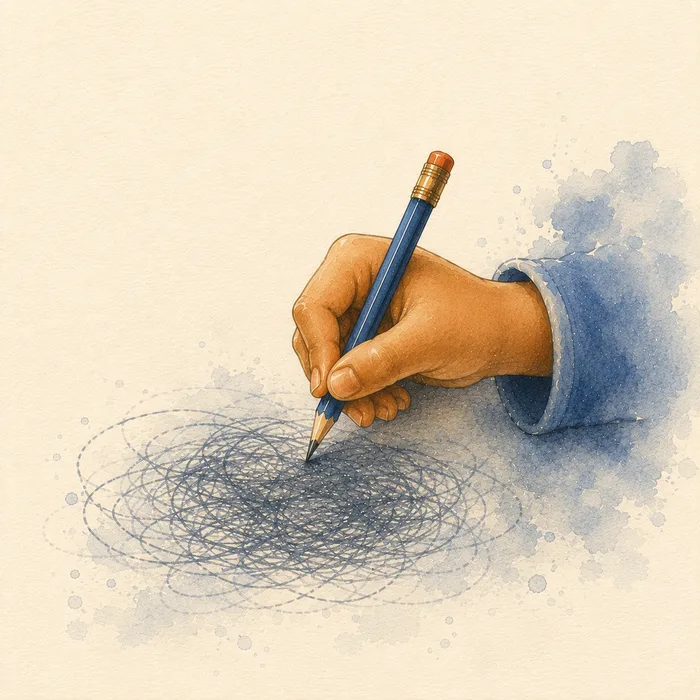
Curved, compound and unforgiving. High cognitive load from the first minute, and the failure is visible on the page in front of the child.
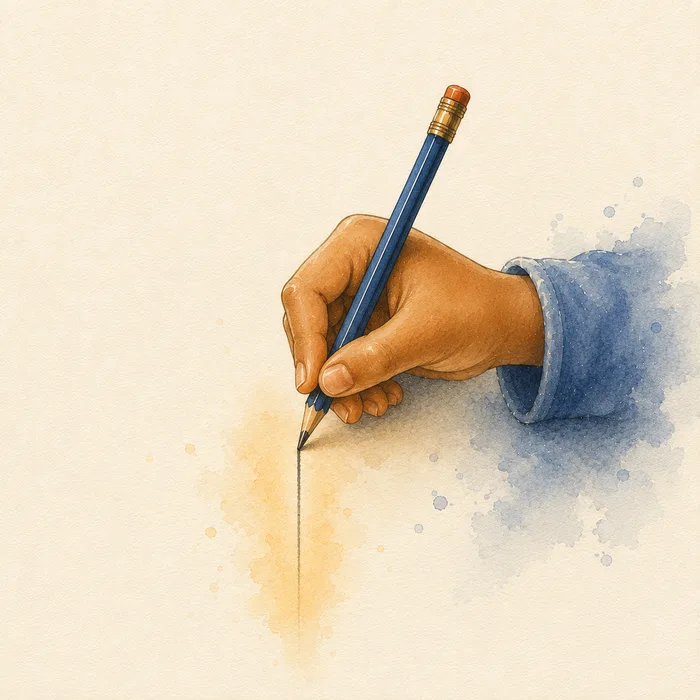
Simple, angular, achievable. The child completes their first Tamil character correctly on their first attempt, and comes back for the second.
Stroke counts vary slightly by handwriting style. The gap between the two groups does not.
The argument is not ours alone. Motor learning and orthographic processing research across scripts points the same way.
Guan et al. (2015) found that correct stroke order helps consolidate orthographic representations in memory. How a character is written changes how well it is remembered.
Studies of Chinese character learning show systematic stroke sequencing reduces cognitive load. A learner spending less effort on the hand has more left for the meaning.
The Sequential Organization Hypothesis holds that stroke-order information improves the speed and accuracy of character recall.
Tamil script has its own characteristics, and we adapted rather than imported these findings. What carries across is the principle: build the motor pattern before you add the complexity.
 The curriculum
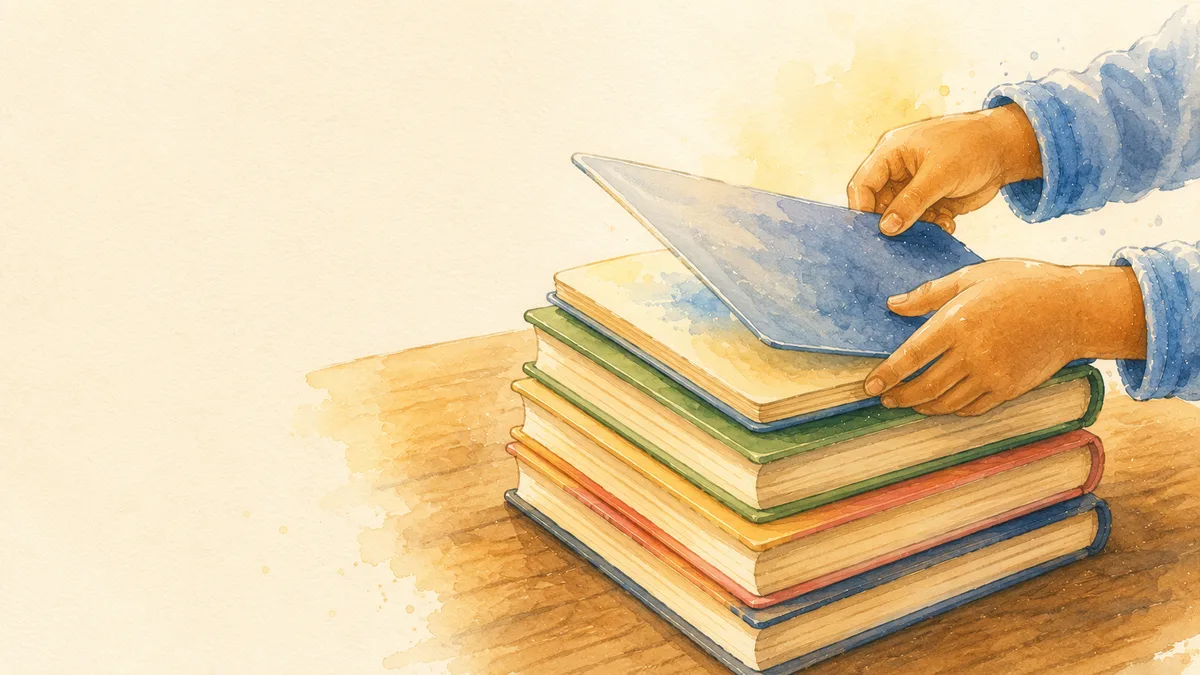
Seven books, LKG to Grade 5, each named for its theme and each building on the one below it — chirps and scribbles, then vowels and consonants, then sound, syllable, word, number and colour. Open any cover and read the sample: the real pages, not a description of them.
Samples are watermarked preview editions of 36 pages each. The printed books are longer.
Every grade has a theme for the year — ஒலியும் எழுத்தும், சொல்லும் செயலும், கலையும் கற்பனையும், கவிதையும் கட்டுரையும் — and a fixed grammar syllabus underneath it, running from letters and sounds through words, nouns and verbs, sentence structure and finally figures of speech. Pick a grade and see its theme, what it covers, what a child can do at the end of it, and how the book gets them there. The Thambaa labs follow the same twelve themes, so Grade 6 in the book is Level 6 in the lab.
LKG to Grade 5 are in schools today. Grade 6 is in production. Grades 7 to 12 are marked Planned above — the grammar arc for each is set and written down, but the book is not yet printed. Nothing beyond Grade 5 can be ordered.
Every lesson is a workbook page, a song, a story and a game at once — with a QR code that opens the digital version of whatever is on the page.
Scan and the song plays, the story reads itself aloud, the game opens. The book stops being the limit of the lesson.
Multi-disciplinary by design. A child learning photosynthesis in a Tamil song is learning both, and resisting neither.
Workbook format throughout. The exercises and the writing space are in the same place as the teaching.
Kindergarten books carry Tamil, transliteration and English support, so a parent who does not read Tamil can still sit beside their child.
Weekly sheets with answer keys and rubrics, plus quarterly, half-yearly and final papers aligned to the curriculum.
Eighty per cent theory, twenty per cent practical lab. The book and the Thambaa lab are one syllabus, not two purchases.
A Tamil teacher's hardest hours are the ones before the lesson. We hand over the answer key and the evaluation methodology along with the book.
After our first lab session, the teacher told us the students were dancing and singing the poems they had learnt.
Dr. Madhan Karky
Payil covers the required competencies and goes further, building reading, writing and comprehension strength that shows up across every Tamil assessment. Partner schools report improved performance in external exams.
Yes. The textbooks are a complete standalone curriculum — content, assessment tools, QR-coded digital resources and teacher support. The two work best together, but the book does not depend on the lab.
Payil is built for one to four hours of weekly instruction. QR codes extend the lesson beyond the classroom, and teacher training covers how to prioritise when time is short.
Because alphabetical order is a filing convention, not a teaching sequence. Children still learn the full alphabet — they simply meet it in the order their hands can manage, which means they arrive at அ already confident.
Tell us your school and the grades you teach, and we will send sample pages and a quote.